If you are curious about what day-to-day life really feels like in Highland Park, the answer starts with scale. This is not a sprawling Dallas neighborhood with endless commercial strips and long commutes between errands. Highland Park is a small incorporated town with a clear residential identity, thoughtful planning, and a pace that often feels centered on short trips, green space, and familiar routines. If you are considering a move here or simply want a better sense of the lifestyle, this guide will walk you through the streetscape, amenities, and everyday rhythm that shape life in Highland Park. Let’s dive in.
Highland Park Feels Distinct
Highland Park is its own town in central Dallas County, about 3 miles north of downtown Dallas. It covers just 2.26 square miles and has roughly 8,900 residents, which gives it a more contained and intentional feel than many larger Dallas-area communities.
That small footprint matters in daily life. The town is landlocked and largely built out, with most land devoted to single-family homes and smaller amounts of multifamily housing, retail and service uses, schools, parks, government buildings, a church, and Dallas Country Club. In practical terms, that means Highland Park tends to feel residential first, with civic and lifestyle conveniences woven in rather than spread far apart.
Tree-Lined Streets Shape The Experience
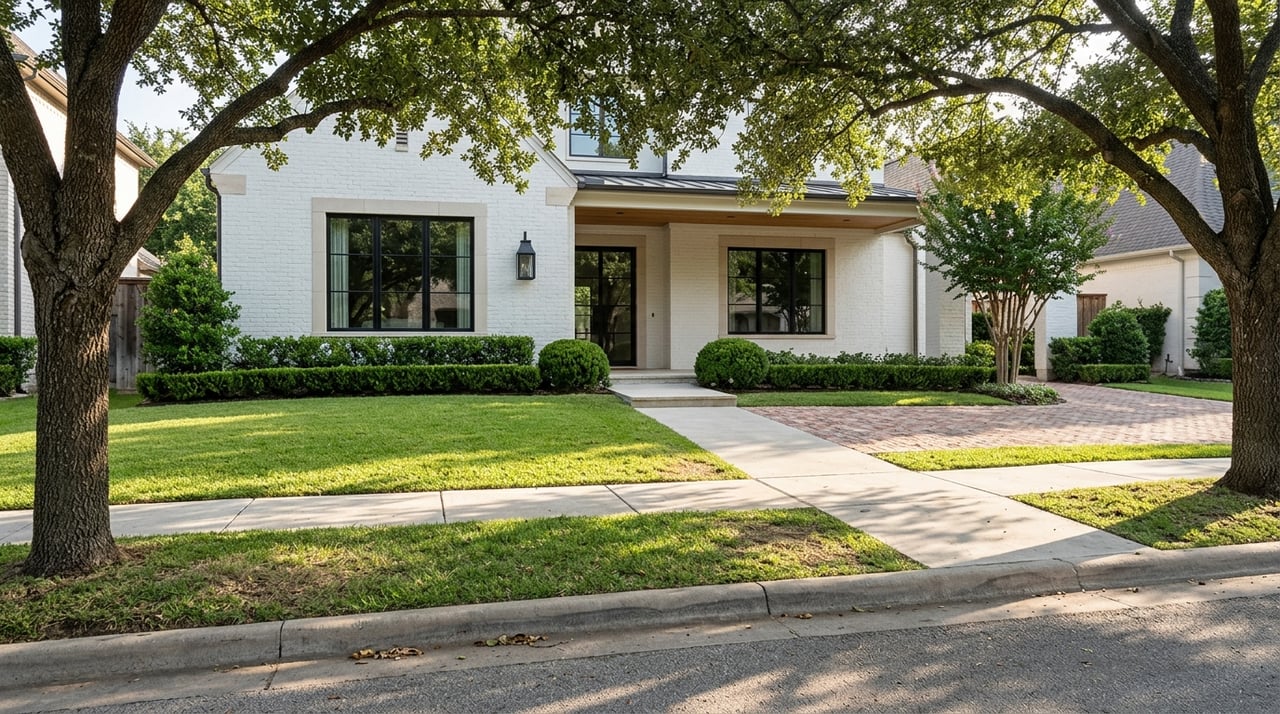
One of the first things you notice in Highland Park is how much the landscape defines the mood. The town’s identity is closely tied to mature trees, parkways, and green space, and that visual consistency gives many streets a calm, established feel.
Highland Park even maintains a formal Tree Program, reflecting how seriously the town treats its canopy. The town notes that mature trees help soften the urban environment and beautify homes and offices, which is a simple but accurate description of what you experience when driving or walking through the area.
This is also a place where the streetscape feels designed rather than accidental. Highland Park’s early development was shaped by landscape designer Wilbur David Cook, and the town is often described as a garden suburb with curving roads and landscape-led planning. That design heritage still shows up in the way the town feels cohesive without feeling rigid.
Parks Add Everyday Breathing Room
Green space is not just a backdrop here. It is part of how many residents likely move through the day, whether that means a morning walk, a quiet bench stop, or time outside close to home.
Lakeside Park stands out as the town’s most iconic green space. Spanning 14.32 acres along the Turtle Creek corridor between Beverly Drive and Armstrong Parkway, it is known for walking paths, benches, and scenic views.
For many buyers, that kind of park access changes how a neighborhood lives. It creates an easy option for fresh air and routine without needing a big outing or a long drive. In a built-out town like Highland Park, that convenience can be a meaningful part of daily comfort.
Errands Stay Close To Home
Highland Park’s routine often appears centered on short local trips. That is partly due to the town’s compact size and partly due to the way key destinations are clustered.
Highland Park Village serves as the area’s main retail and dining anchor. Built in 1931, it is identified by the town as the first shopping center of its kind in the United States, and today it offers a concentrated mix of coffee, dining, and everyday stops.
Current listed options include Bird Bakery, Starbucks, The Juice Bar, Café Pacific, Bistro 31, The Honor Bar, Mi Cocina, Sadelle’s, and Royal Blue Grocery. For residents, that means coffee, breakfast, lunch, dinner, and a few practical errands can often happen in one familiar setting.
Daily Life Has A Predictable Rhythm
Some communities feel busy by default. Highland Park tends to read differently. Its pace appears more structured and steady, supported by local civic services and a layout that encourages short-distance movement.
Town Hall and the library keep set hours, while police, fire, and EMS service are available 24/7. The town also operates Highland Park On-Demand, a microtransit program for travel within the community or to nearby transit.
Those details may sound small, but together they help define the cadence of everyday life. You can picture a routine built around local destinations, predictable services, and a residential atmosphere that feels orderly rather than rushed.
Architecture Feels Layered And Cohesive
Highland Park’s visual character is not about one single home style repeated block after block. Instead, the town reflects a historically eclectic mix of architecture that still feels tied together by landscape, scale, and preservation.
Writings on Highland Park describe residential influences that include Spanish Colonial, English Tudor, Victorian, Georgian, and Prairie styles. That variety gives the town a layered look, where homes feel individual but still part of a larger design story.
The civic architecture reinforces that identity. Town Hall, built in 1924, was designed in the Spanish Colonial Revival style, and later renovations preserved its historic character. Details like that matter because they help the town maintain a strong sense of place over time.
Weekends Often Center On Simple Rituals
If you imagine a Highland Park weekend, the most natural picture is not a packed entertainment district. It is something quieter and more local, shaped by parks, coffee stops, and easy access to cultural destinations nearby.
A morning might start with a walk through Lakeside Park, followed by coffee or brunch in Highland Park Village. Later in the day, you are also well positioned for time near SMU or a short drive into downtown Dallas.
That nearby access broadens the lifestyle without changing Highland Park’s residential tone. SMU’s main campus sits in the neighboring communities of University Park and Highland Park, and the Meadows Museum is there as well. Downtown Dallas also offers major arts destinations in the Arts District, including the Dallas Museum of Art, the Nasher Sculpture Center, and the Crow Museum of Asian Art.
Why Buyers Are Drawn To Highland Park
For many buyers, Highland Park offers a specific kind of lifestyle fit. It combines a small-town structure with close-in Dallas access, along with a streetscape that feels intentional, mature, and well maintained.
It also offers something that can be hard to find in larger communities: a strong sense of visual continuity. The trees, parkways, parks, and historic planning create an environment that feels established from the moment you arrive.
If you are design conscious, that consistency tends to stand out. It is not just about individual homes. It is about how the town itself presents, how the roads curve through the landscape, and how daily life feels shaped by planning rather than chance.
What To Keep In Mind As You Explore
Because Highland Park is small and built out, your experience here is often tied to micro-location and property-specific details. Street presence, proximity to parks or village amenities, architectural style, and redevelopment activity on existing parcels can all shape how a home lives.
That is why a neighborhood like this benefits from a thoughtful, lifestyle-first search. It is not only about square footage. It is also about how you want your days to flow, what kind of setting feels right, and which details support the way you actually live.
If Highland Park is on your radar, it helps to evaluate homes through both a market lens and a design lens. The right fit often comes from understanding not only the property itself, but also the rhythm of the town around it.
Highland Park continues to stand out because it offers a rare combination of residential calm, civic identity, and close access to Dallas conveniences. If you are looking for a community where tree-lined streets, parks, and carefully maintained surroundings shape the everyday experience, this town is well worth a closer look.
If you want thoughtful guidance as you explore Highland Park or compare it with other Dallas-area neighborhoods, Krista Cheatham offers a calm, strategic approach built around lifestyle fit, design perspective, and step-by-step support.
FAQs
What makes Highland Park different from other Dallas neighborhoods?
- Highland Park is an incorporated town in central Dallas County, not simply a neighborhood within Dallas, and its small size, residential focus, and civic identity give it a more distinct feel.
What is everyday life like in Highland Park, Texas?
- Daily life in Highland Park often centers on short local trips, walks in parks, nearby dining and errands at Highland Park Village, and a steady residential pace supported by structured civic services.
What parks are most notable in Highland Park?
- Lakeside Park is the town’s largest and most iconic green space, with walking paths, benches, and scenic views along the Turtle Creek corridor.
What kind of architecture is common in Highland Park?
- Highland Park is known for a historically eclectic mix that includes Spanish Colonial, English Tudor, Victorian, Georgian, and Prairie influences, all set within a garden-suburb style streetscape.
Is Highland Park close to downtown Dallas amenities?
- Yes. Highland Park is about 3 miles north of downtown Dallas, giving residents relatively easy access to destinations such as the Dallas Arts District while maintaining a quieter residential setting.