Relocating to Far North Dallas can feel simple at first glance, until you realize it is not one neat neighborhood with one price point, one commute pattern, or one housing style. If you are moving across DFW or coming from out of state, that broad label can create more confusion than clarity. This guide gives you a structured way to narrow the area, compare the right pockets, and tour with confidence. Let’s dive in.
Start With the Area Definition
Far North Dallas is best understood as a broad north Dallas market, not a single subdivision. The City of Dallas defines it generally as Dallas north of LBJ Freeway, with mostly residential areas, some higher-density multifamily pockets, mixed-use nodes, trails, and parks, according to the city’s thoroughfare planning materials.
That distinction matters because your experience can change significantly from one pocket to the next. Current market pages group together places like Prestonwood, Bent Tree, Glen Abbey, Preston Trails, and several condominium communities, which means you should evaluate exact addresses and micro-markets rather than relying on the Far North Dallas label alone.
Why Micro-Markets Matter
One of the biggest relocation mistakes is assuming the whole area behaves like one market. In reality, Far North Dallas includes multiple price bands, housing types, and commute advantages depending on the ZIP code and street network.
For example, Realtor.com’s Far North Dallas overview shows a median listing price of $499,900, 327 homes for sale, and a median of 45 days on market, with buyer’s market conditions. But that broad snapshot smooths over meaningful differences.
In ZIP code 75252, the median listing price is $619,900 with 37 median days on market. In 75254, the median listing price is $240,000 with 76 homes for sale and 57 median days on market, while nearby 75248 is listed at $577,000. If you are relocating with a specific budget or home-style preference, these differences should shape your search from day one.
Anchor Your Commute First
Before you compare finishes, floor plans, or lot sizes, identify where you need to go most often. Far North Dallas is very much a corridor-driven market, and your daily route may influence your shortlist more than the area name itself.
The Dallas North Tollway runs 33 miles and connects downtown Dallas with Prosper, passing through Dallas, Addison, Plano, and Frisco. The President George Bush Turnpike also plays a major regional role by connecting Collin, Dallas, Denton, and Tarrant counties, while US 75/Central Expressway is the main non-tolled north-south route between North Dallas and Plano and a major route into Richardson.
Best corridors by destination
If your office is in or near downtown Dallas, the Dallas North Tollway is often the clearest direct route. If you expect regular trips to Plano, Legacy, or Richardson, US 75 and PGBT often become more important. The best home for you may be the one that cuts friction from your actual weekly routine, not the one that looks best on a map.
Test the drive in real time
A route that looks easy at noon may feel very different during your true commute window. If possible, test the drive at the time you would actually leave for work, school drop-off, or evening appointments. In this part of Dallas, road access is often one of the most practical decision points.
Understand Transit Realistically
Transit exists in the broader area, but most relocating buyers still prioritize road access first. DART Rail serves the North Central Expressway corridor into North Dallas, Richardson, and Plano, and DART GoLink also serves zones in North Central Dallas, North Dallas, and several Plano submarkets.
That can be useful if you are near the right edge of the network or want a backup option for certain trips. Still, for many buyers relocating to Far North Dallas, transit tends to be secondary to driving convenience rather than the main reason to choose one pocket over another.
Compare Housing Types Early
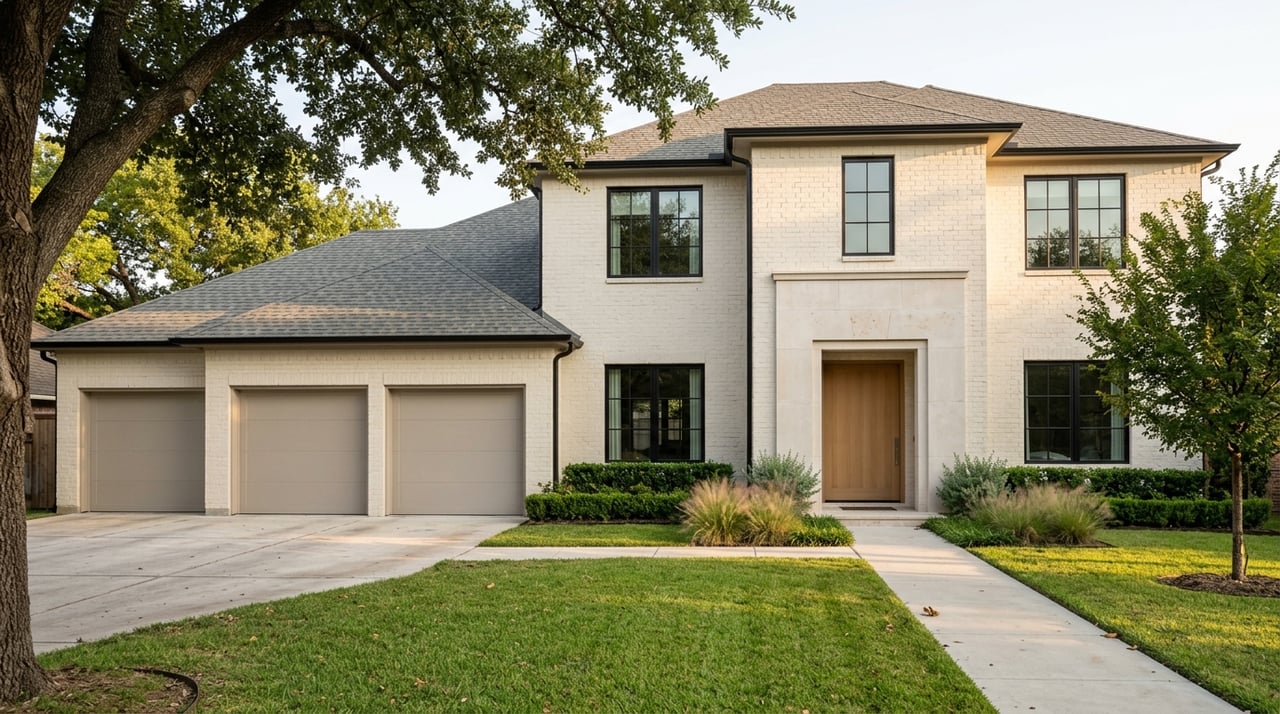
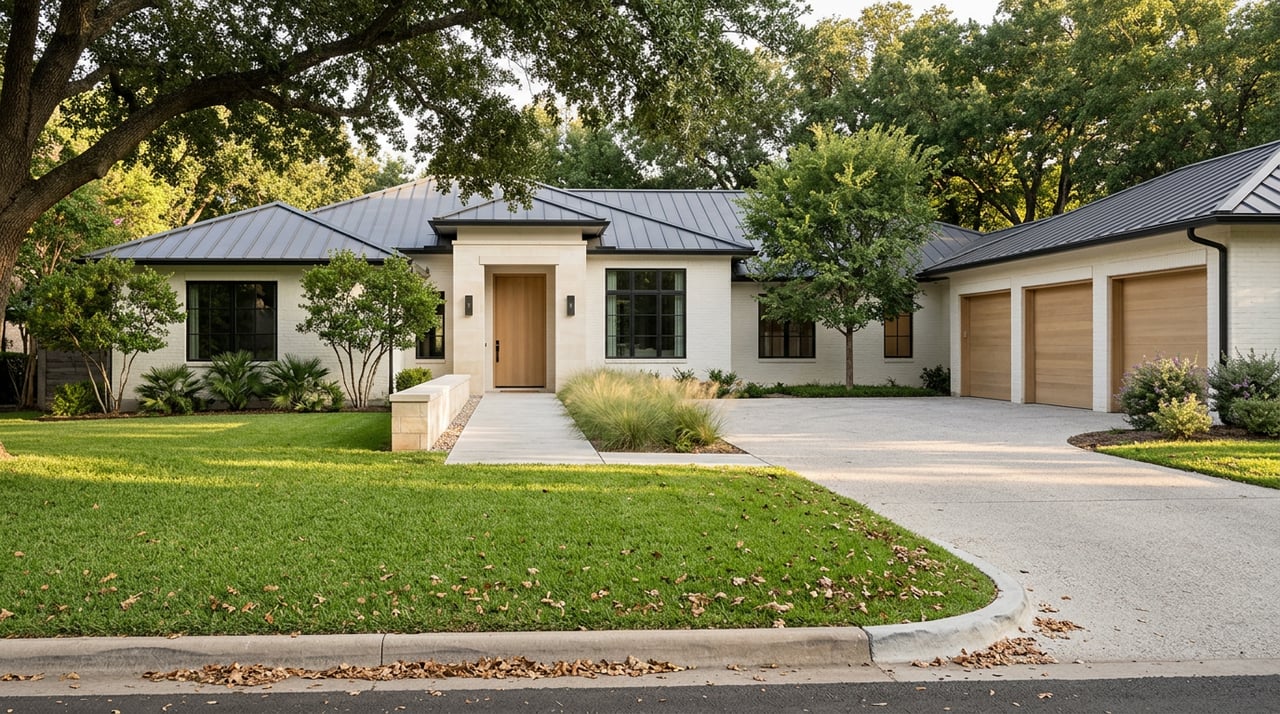
Far North Dallas offers more variety than many buyers expect. Instead of one dominant home style, you will find a mix of older single-family homes, updated attached homes, condos, and larger-lot properties depending on the pocket.
Current listings in the area include everything from a 2-bed, 2-bath condo with 2,006 square feet to single-family homes with roughly 1,891 to 1,947 square feet, along with attached units around 1,742 square feet. That range supports an early decision about whether you want a detached home, condo, or townhome before you begin touring at scale.
What housing age can tell you
Housing age also varies by ZIP code. Census Reporter data for 75252 shows a median owner-occupied value of $580,600, while area reporting cited in the research shows average single-family home age around 34 years in 75252 and about 50 years in 75254.
That does not mean one area is automatically better than another. It simply means your home search should account for different renovation levels, floor-plan styles, maintenance expectations, and community character depending on where you focus.
Read the Market With Context
If you are relocating, you want to know whether you will face intense competition or have room to negotiate. Broadly speaking, Far North Dallas is currently more buyer-leaning than many people assume.
According to Realtor.com’s area overview, the market is labeled a buyer’s market, with homes selling at about 99% of list price on average. But negotiation conditions shift by pocket. The same research notes that 75252 is closer to about 97% of list on average, while 75254 is around asking price.
What that means for buyers
This is why a structured approach matters. In one pocket, you may have room to negotiate on price or terms. In another, the better strategy may be speed, cleaner terms, or a more targeted offer on the right home.
Factor in Lifestyle Details
For many relocation buyers, the right fit is about more than square footage. You may care just as much about parking, HOA structure, access to trails, or how the home supports your daily rhythm.
The City of Dallas planning materials note that most residential areas in Far North Dallas are covered by a neighborhood organization or HOA. The same materials also reference local amenities such as the Katie Jackson Trail, Preston Ridge Trail, the Timberglen-to-Barry H. Barker connection, and nearby parks including Bentwood, Moss Glen, Katie Jackson, Frankford, and Timberglen.
Questions to ask on tour
As you tour homes, consider asking:
- What are the HOA rules and dues?
- How is guest parking handled?
- Is the home walkable or driveable to nearby trails or parks?
- Does the layout match how you actually live and host?
- Will the commute still feel manageable three months from now?
These questions can quickly separate a home that only looks good online from one that truly fits your move.
A Structured Shortlisting Process
When clients relocate to Far North Dallas, a calm process usually works better than touring everything at once. The goal is not to see the most homes. The goal is to compare the right homes in the right order.
Step 1: Identify your work corridor
Start with your most frequent destinations, whether that is downtown Dallas, Plano, Legacy, Richardson, or another north-corridor hub. This gives your search a practical frame before you get pulled into listings.
Step 2: Choose your property type
Decide early whether you want a detached home, condo, or townhome. Since the area offers all three, this simple step can save you time and keep your search focused.
Step 3: Narrow by ZIP and pocket
Compare areas like 75252, 75248, and 75254 separately. The broad Far North Dallas label is too wide to give you reliable pricing, inventory, or negotiation expectations on its own.
Step 4: Tour around real life
Schedule tours in a way that lets you test the drive, observe access points, and understand the feel of each pocket. For many buyers, this is when the right area becomes obvious.
Step 5: Verify the details
Before you move forward, confirm HOA rules, parking, access patterns, and any lifestyle features that matter to you. Those practical details often shape long-term satisfaction more than cosmetic upgrades.
Far North Dallas for Relocating Buyers
Far North Dallas can be an excellent fit if you want a north Dallas location with access to multiple employment corridors, varied housing options, and a wider mix of attached and detached inventory than some buyers expect. It can also work well if you want to compare established residential pockets rather than limit yourself to one highly uniform subdivision.
The key is approaching the area with precision. When you anchor the commute, narrow by micro-market, and compare home type early, the search becomes much clearer and more efficient.
If you are planning a move and want a thoughtful, step-by-step approach to narrowing Far North Dallas, Krista Cheatham offers a calm, strategic process designed to help you evaluate fit, move efficiently, and buy with confidence.
FAQs
Is Far North Dallas one neighborhood or several areas?
- Far North Dallas is a broad market label, not one single neighborhood, and it includes multiple micro-markets, housing types, and price points.
Is Far North Dallas good for commuting to both Dallas and Plano?
- It can be, especially if you choose the right corridor for your routine, since routes like the Dallas North Tollway, US 75, and PGBT shape commute convenience.
Are homes in Far North Dallas mostly new or older?
- The housing stock is mixed, with older single-family homes, updated attached homes, condos, and different average home ages depending on the ZIP code and pocket.
Should buyers rely on transit in Far North Dallas?
- Transit can help in certain locations through DART Rail and GoLink, but many buyers still treat driving access as the primary factor.
What should relocating buyers compare first in Far North Dallas?
- Start with commute corridor, then compare property type, ZIP code, and practical details like HOA rules, parking, and access to trails or parks.